Why Selling Your Old Tech Is Better for the Planet Than You Think

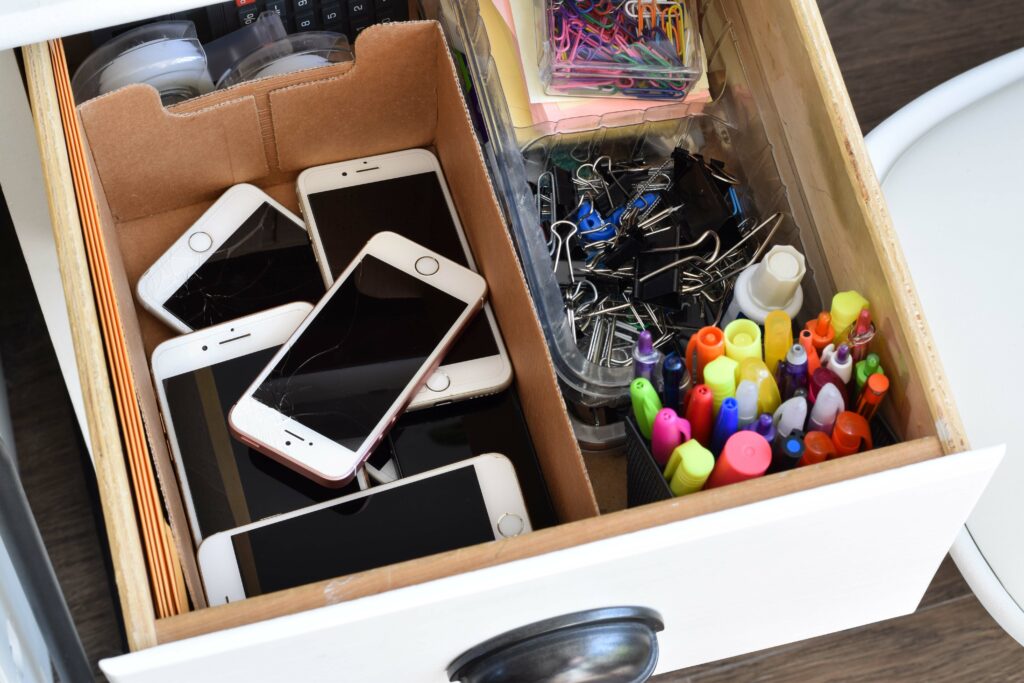
Most people don’t think of old electronics as environmental liabilities. They think of them as backups, spares, or things they’ll “deal with later.” A phone in a drawer doesn’t feel harmful. It’s quiet. It’s inert. It’s out of sight.
But multiply that drawer by a few hundred million households, and suddenly you’re looking at one of the fastest-growing waste problems on the planet.
The good news? Reducing e-waste doesn’t require radical lifestyle changes. In many cases, it just means making smarter decisions about the tech you already own—and yes, sometimes getting paid to do it.
Try BuckUp Today
We’re offering up to $500 Instant Cash for your devices.
E-Waste Is a Growing Problem—Whether We Notice It or Not
Electronic waste, or e-waste, is one of the world’s fastest-growing waste streams. Phones, laptops, tablets, wearables, chargers, and accessories all contribute—and most of them contain materials that are difficult to recycle safely.
What makes e-waste especially problematic is that:
- Many electronics contain toxic components like lead, mercury, and lithium
- Improper disposal can contaminate soil and water
- Manufacturing replacements requires significant energy and raw materials
Yet despite this, millions of usable devices sit unused every year, slowly becoming obsolete instead of being reused or responsibly recycled.


The Greenest Device Is the One That Gets Used Again
There’s a common misconception that recycling electronics is the most eco-friendly option. In reality, reuse almost always beats recycling from an environmental standpoint.
When a device is reused:
- No new materials need to be mined
- No new device needs to be manufactured
- The original carbon footprint is spread across a longer lifespan
Trading in or reselling functional tech allows someone else to use it instead of buying new. That single action quietly reduces demand for manufacturing—which is where most environmental impact occurs.
Why “Holding Onto It” Isn’t Neutral
Keeping an old phone “just in case” feels responsible. In practice, it often has the opposite effect.
Unused electronics:
- Rarely get reused later
- Lose resale and reuse value over time
- Are more likely to end up improperly discarded
From an environmental perspective, a device sitting unused is wasted potential. It’s neither serving a user nor being processed responsibly. The longer it sits, the more likely it becomes pure waste.
Trade-Ins Help Close the Loop (When Done Right)
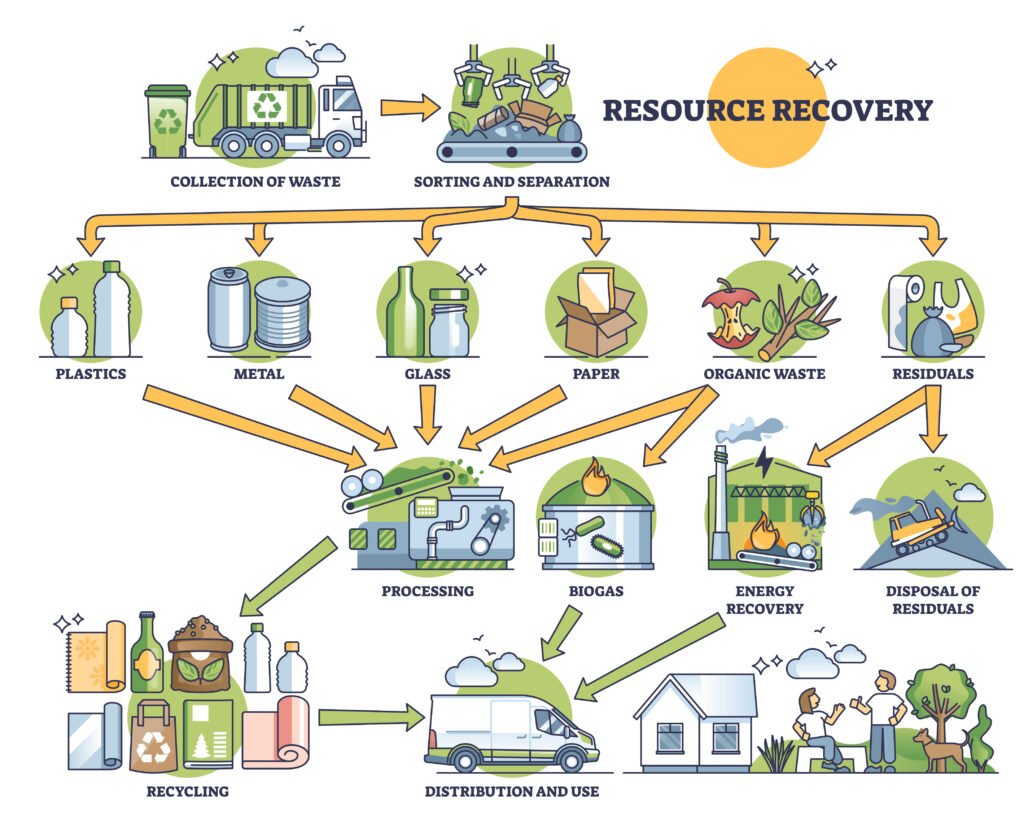
Responsible trade-in and buyback programs serve a specific environmental role: they act as collection and redistribution points.
When tech is traded in:
- Functional devices can be refurbished and resold
- Non-functional devices can be dismantled for parts
- Hazardous materials can be handled properly
This creates a circular flow where fewer devices end their lives in landfills—and fewer new devices need to be produced to meet demand.


Why Getting Paid Actually Matters
Here’s the honest truth: environmental responsibility scales when incentives exist.
Most people want to do the right thing—but convenience and cost still drive behavior. Programs that pay people for old tech succeed not because they shame users into recycling, but because they align environmental benefits with personal benefit.
Getting paid:
- Encourages participation
- Reduces procrastination
- Moves devices out of drawers and into circulation
When sustainability is paired with tangible value, it stops being abstract and starts being actionable.
Not All Recycling Is Created Equal
It’s worth noting that not every “recycling” option is equally responsible. Some programs:
- Export e-waste overseas without proper oversight
- Strip valuable components and discard the rest
- Offer vague assurances without transparency
Environmentally conscious tech disposal works best when devices are reused first, recycled second, and handled by programs with clear processes.
A Small Action with Compounding Impact
Trading in a phone won’t save the planet on its own—but it’s part of a pattern that matters.
One reused device:
- Reduces demand for raw materials
- Extends the useful life of existing tech
- Prevents hazardous waste from entering landfills
Multiply that by millions of users making slightly better decisions, and the impact becomes very real.
Sustainability Works Best When It’s Practical
You don’t need to be an environmental activist to reduce e-waste. You just need to recognize that unused tech has value—both financially and environmentally.
Trading in your electronics isn’t about virtue signaling. It’s about making a practical choice that happens to be better for everyone involved.