What Happens If You Can’t Pay Back a Short-Term Loan?
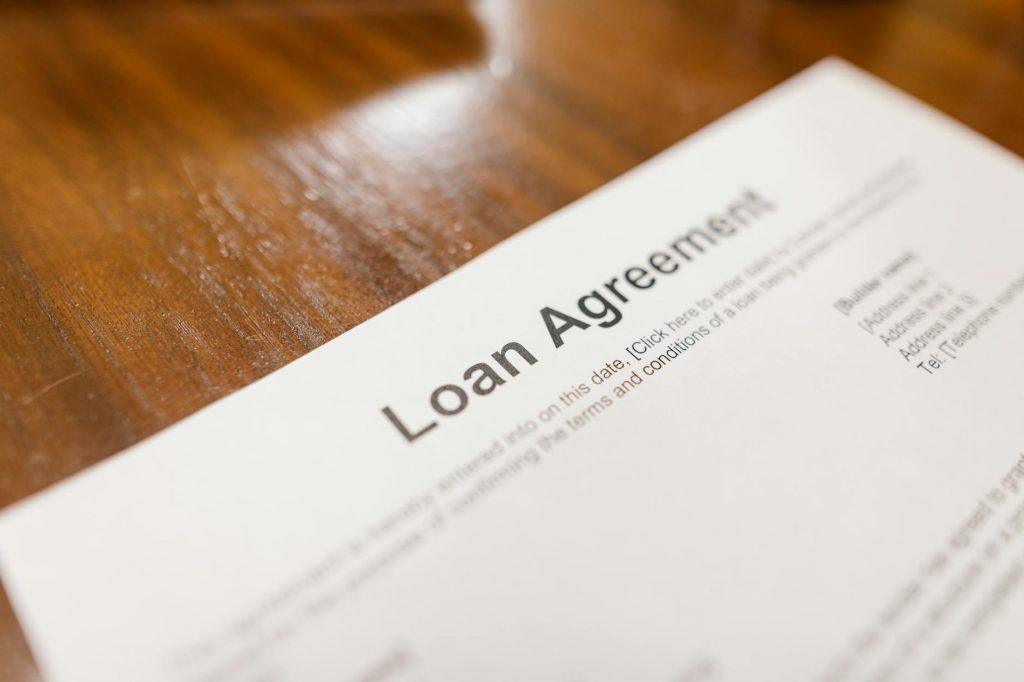
When people consider short-term cash options, one question almost always lingers in the background: What happens if something goes wrong? It’s not pessimistic—it’s practical. Emergencies rarely happen in isolation, and the same factors that made cash necessary in the first place can make repayment harder than expected.
Understanding the consequences upfront is one of the smartest financial moves you can make.
Why This Question Matters More Than People Admit
Most people don’t take short-term loans assuming they’ll miss repayment. They plan to cover the gap and move on. But uncertainty is part of real life—hours get cut, expenses stack up, or another surprise lands before the first one is resolved. When repayment terms aren’t clear, stress compounds quickly.
Knowing what happens next can be the difference between a manageable setback and a spiraling problem.
Try BuckUp Today
We’re offering up to $500 Instant Cash for your devices.
What Typically Happens With High-Cost Short-Term Loans
With many traditional short-term loans—especially payday loans—missing repayment triggers fees, penalties, or rollovers. Instead of shrinking, the balance grows. Interest continues accruing, new fees are added, and repayment timelines reset without reducing the original amount owed.
This is how a loan meant to last a few weeks quietly stretches into months. The financial burden increases while flexibility decreases.
The Credit and Collection Risk
Some short-term loans report to credit bureaus or escalate to collections if repayment fails. That can damage credit scores and create long-term consequences well beyond the original loan amount. Even when credit isn’t immediately impacted, repeated extensions and penalties can make recovery feel impossible.
The stress of knowing you’re falling behind often hits before any formal action does.
Why Structure Matters More Than Speed
The biggest differentiator between short-term cash options isn’t how fast you get money—it’s how repayment is handled when things don’t go perfectly. Products designed around repeat borrowing often profit when repayment is delayed. Products designed for short-term gaps assume repayment soon and are structured accordingly.
That distinction shapes everything about the experience.
How Short-Term Options Can Reduce Risk
Alternatives like BuckUp are built around predictable, short repayment windows rather than open-ended debt cycles. Most customers repay within 30 days, and the process is designed to be straightforward and transparent. The goal isn’t to trap someone in repeat borrowing—it’s to help them bridge a temporary gap and move on.
Clarity matters here. Knowing exactly what happens if repayment is delayed allows people to make informed decisions rather than reactive ones.
The Right Question to Ask Before Borrowing
Instead of focusing only on approval speed or cash amount, it’s worth asking: What does this option do if I need more time? If the answer involves compounding fees, penalties, or pressure, it may not be the right fit for a stressful situation.
Short-term cash should buy breathing room, not introduce fear about what comes next.
Financial Flexibility Starts With Transparency
Life doesn’t always follow a clean repayment schedule. The safest financial tools acknowledge that reality and build guardrails around it. Knowing the consequences ahead of time doesn’t mean you expect to fail—it means you’re choosing a solution that won’t punish you if things don’t go exactly as planned.
Peace of mind is part of the value of any financial decision. The best short-term options are the ones that protect it.