What Happens to Your Tech After You Trade It In?

When you trade in your old devices, have you ever wondered what happens to them next? While many people assume their gadgets disappear into some digital abyss, the truth is far more fascinating. Trading in your electronics not only helps you earn cash but also gives those devices a second life. Whether through refurbishment, recycling, or parts recovery, here’s a behind-the-scenes look at what happens to your tech after you trade it in.
Step 1: Inspection and Evaluation
Once you trade in your device, it undergoes a thorough inspection and evaluation. Technicians check the gadget for functionality, physical condition, and overall performance. Devices are tested to ensure they power on, the screen works, and components like the battery, ports, and buttons function properly.
Even broken or damaged devices hold value. While some gadgets can be refurbished and resold, others may be designated for parts recovery or recycling, depending on their condition. This initial evaluation determines the next steps for your device.
Try BuckUp Today
We’re offering up to $500 Instant Cash for your devices.
Step 2: Refurbishment for Resale
If your device is in good condition or can be repaired, it enters the refurbishment process. Skilled technicians replace faulty components, clean the device inside and out, and restore it to like-new condition. This process often includes replacing batteries, fixing screens, or upgrading software to ensure the device functions optimally.
Refurbished devices are then tested rigorously to meet quality standards before being resold. By refurbishing and reselling electronics, trade-in programs help keep devices in circulation longer, reducing e-waste and conserving resources.
Step 3: Parts Recovery
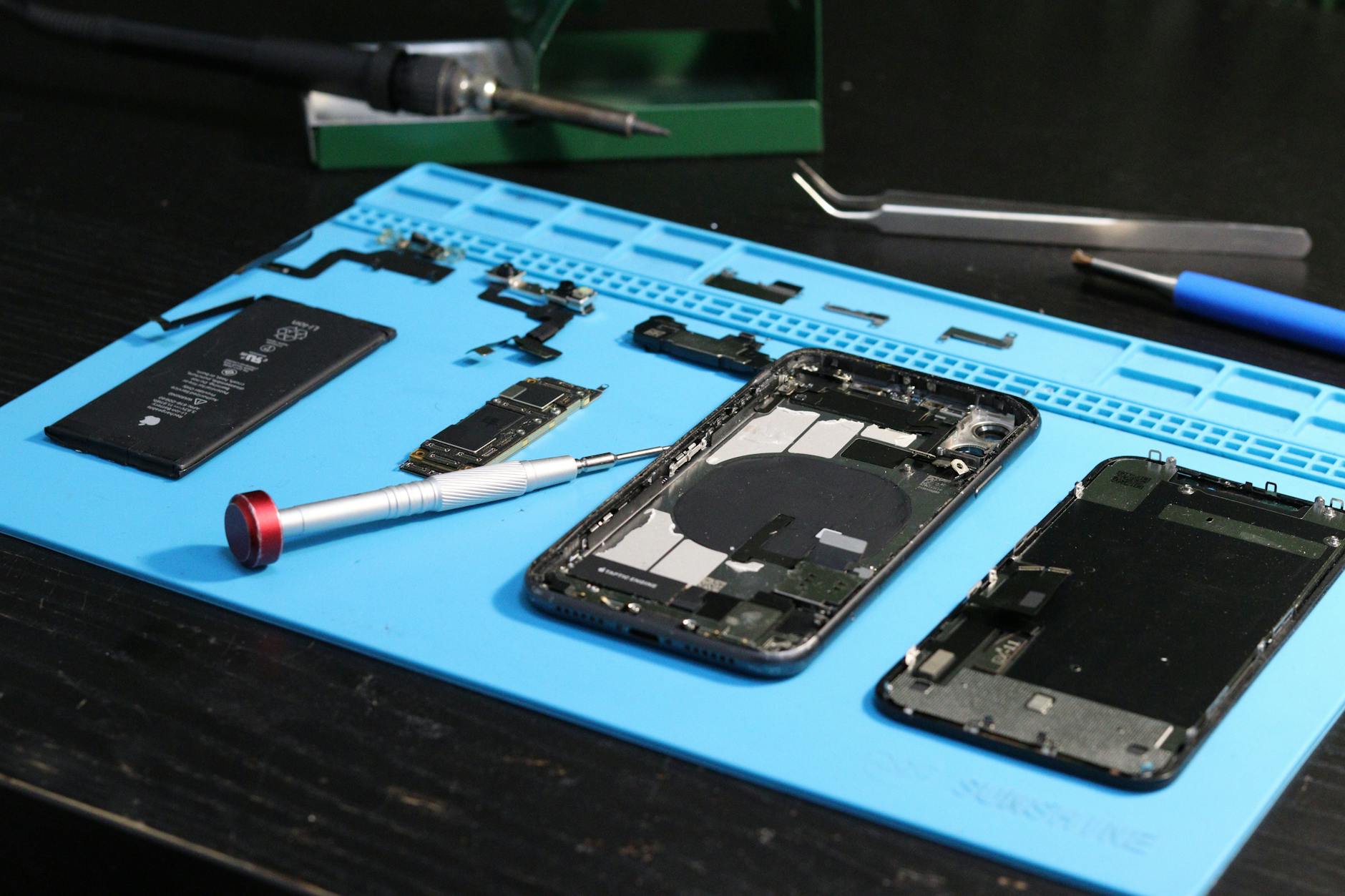
For devices that are too damaged for refurbishment, valuable components are extracted and repurposed. Many electronics contain parts that can be reused in other devices, such as screens, batteries, circuit boards, and memory chips. These parts are carefully removed, tested, and reintroduced into the supply chain.
Parts recovery plays an essential role in reducing the need for new materials. For instance, salvaging a working battery or screen reduces manufacturing demand, saving energy and natural resources in the process.
Step 4: Responsible Recycling
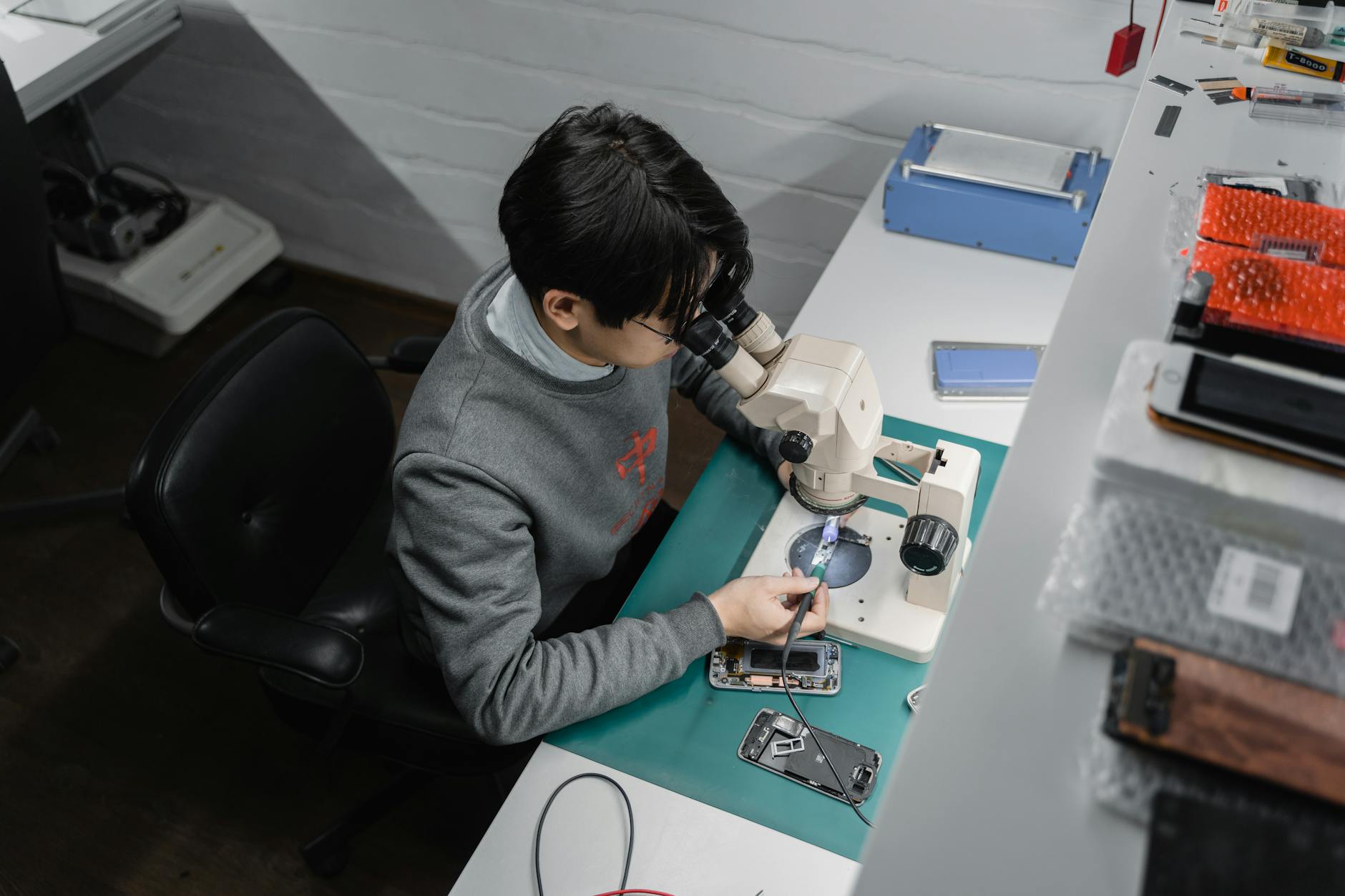
If a device cannot be refurbished or its components salvaged, it is sent for responsible recycling. Electronics are carefully dismantled to extract valuable materials like metals, plastics, and glass. Many gadgets contain precious metals such as gold, silver, and copper, which can be recovered and reused in new products.
Recycling ensures that harmful substances, such as lead, mercury, and cadmium, are disposed of safely. By breaking down and repurposing old tech, recycling programs minimize the environmental impact of e-waste while supporting a circular economy.
Step 5: Extending the Life of Technology
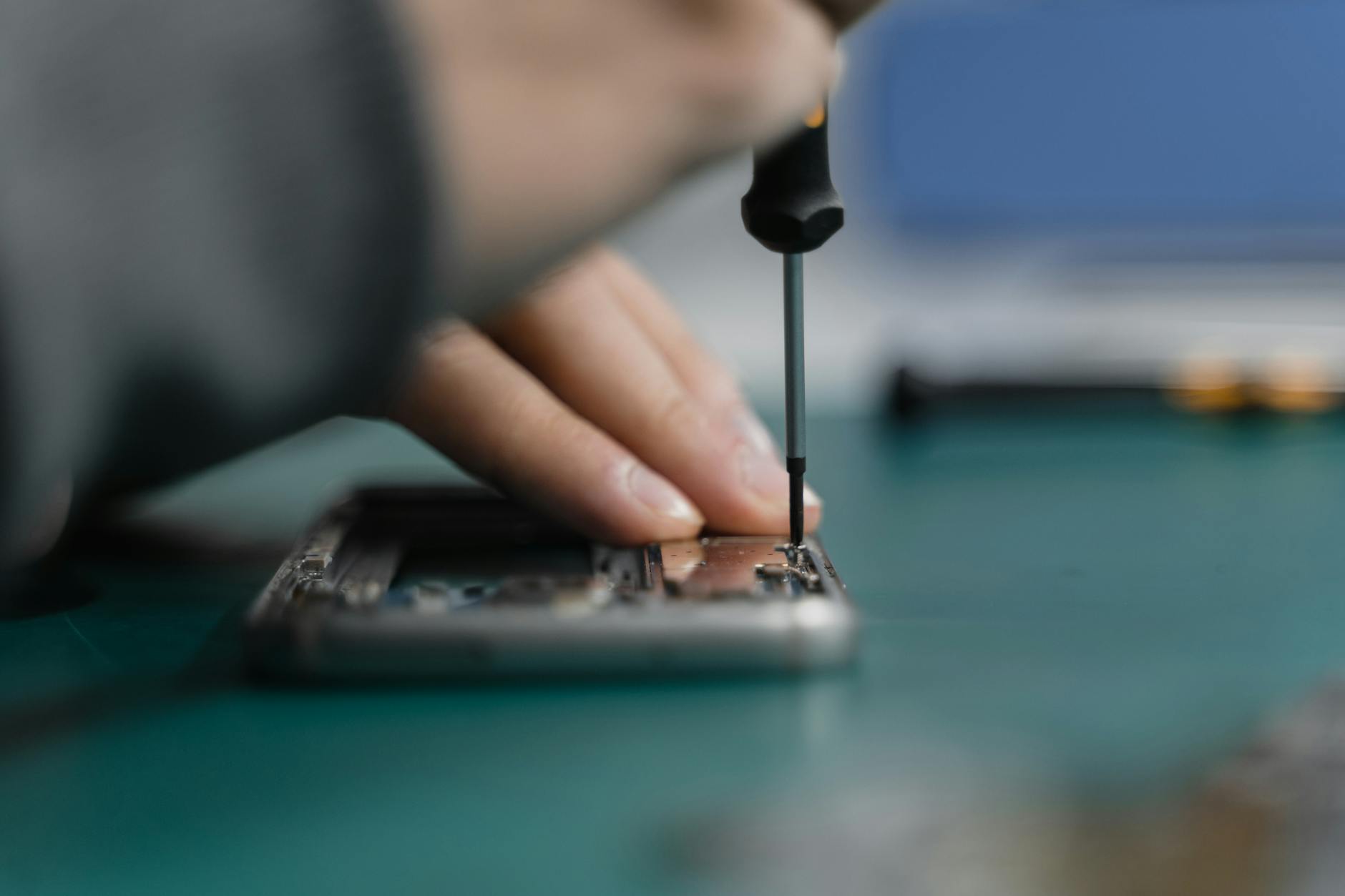
Every step of the trade-in process—from refurbishment to recycling—focuses on extending the life of technology and reducing waste. Refurbished devices often find new homes with buyers who benefit from affordable, high-quality gadgets. Meanwhile, recycled materials and recovered parts are reintroduced into manufacturing, reducing the need for raw resources and lowering environmental impact.
This lifecycle approach ensures that your traded-in tech contributes to a more sustainable future, rather than ending up in a landfill.
Final Thoughts
Trading in your old tech is more than just a way to earn cash—it’s an opportunity to make a positive impact on the environment. From refurbishment and resale to recycling and parts recovery, every device plays a role in creating a greener, more sustainable future.
At BuckUp, we ensure your old gadgets are handled responsibly, giving them a second life or recycling them safely. If you’re ready to trade in your devices, you’re not only earning cash but also contributing to a cleaner planet and a smarter use of resources. Find out how much your tech is worth today and take the next step toward a greener future.